IF BUIDING GREAT Precast For the smallest school, the most thoughtful design: the architectural poetics and growth temperature of a rural primary school

For the smallest school, the most thoughtful design: the architectural poetics and growth temperature of a rural primary school


The architecture adopts a layout of “horizontal extension+vertical linkage”, breaking the rigid pattern of “isolated buildings+corridor connections” in traditional campuses.

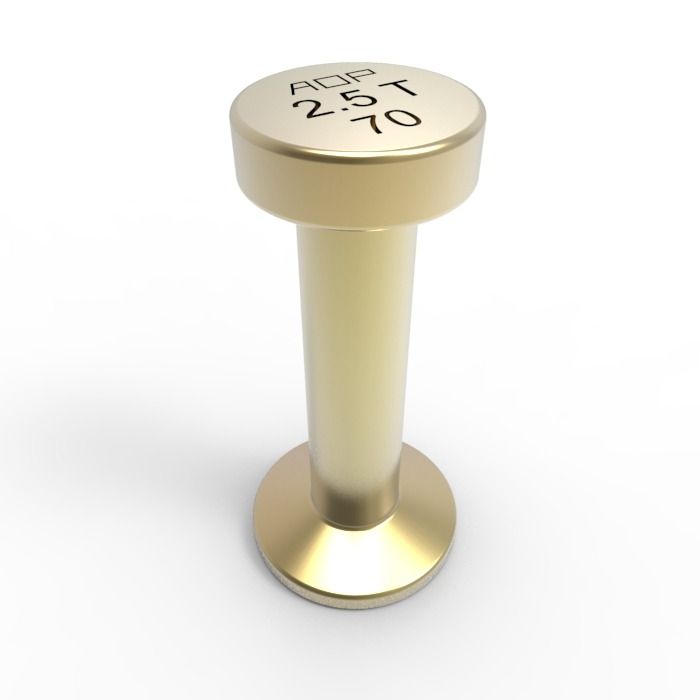
Crown Foot Anchor

The layered terraces and ramps are wrapped like ribbons, connecting the spaces of different floors and functions into an organic whole.

Children no longer need to be confined to the confines of the classroom.

When walking along these open paths, their gaze will unexpectedly meet the playground in the distance and the courtyard nearby.

The classmates they encounter and the light and shadow under the eaves become “learning touchpoints” outside the classroom.

This “flowing space” design quietly dissolves the boundaries between indoor and outdoor, learning and leisure, making the campus a three-dimensional field that can be explored everywhere and interacted with at all times.

.

Tags:

Leave a Reply

Your email address will not be published. Required fields are marked *

Related Post

Yuhuan People’s Hospital Renovation and Expansion Project/Zhejiang Provincial Architectural Design and Research InstituteYuhuan People’s Hospital Renovation and Expansion Project/Zhejiang Provincial Architectural Design and Research Institute

The renovation and expansion project of Yuhuan People’s Hospital aims to optimize the discipline layout and upgrade the hardware facilities, so that the hospital can meet the evaluation standards of

[Product Building] “Integrated Innovation Quality Building” 2025 Shanghai Urban Architectural Design Scheme Collection Results (01) –[Product Building] “Integrated Innovation Quality Building” 2025 Shanghai Urban Architectural Design Scheme Collection Results (01) –

In order to deeply implement the important concept of “People’s City” and continuously improve the quality of urban spatial environment, in 2025, the Municipal Planning and Resources Bureau, together with