IF BUIDING GREAT Precast Facade design of fourth generation residential buildings: integrating the beauty of ecology and shaping a new living environment

Facade design of fourth generation residential buildings: integrating the beauty of ecology and shaping a new living environment


Under the dual drive of the “dual carbon” strategy and the upgrading of living quality, the fourth generation of residential buildings, as a new form of living that integrates ecology, function, and aesthetics, is reshaping the facade expression of urban architecture.

The fourth generation residential buildings are characterized by “three-dimensional ecology and aerial courtyards” as their core features.

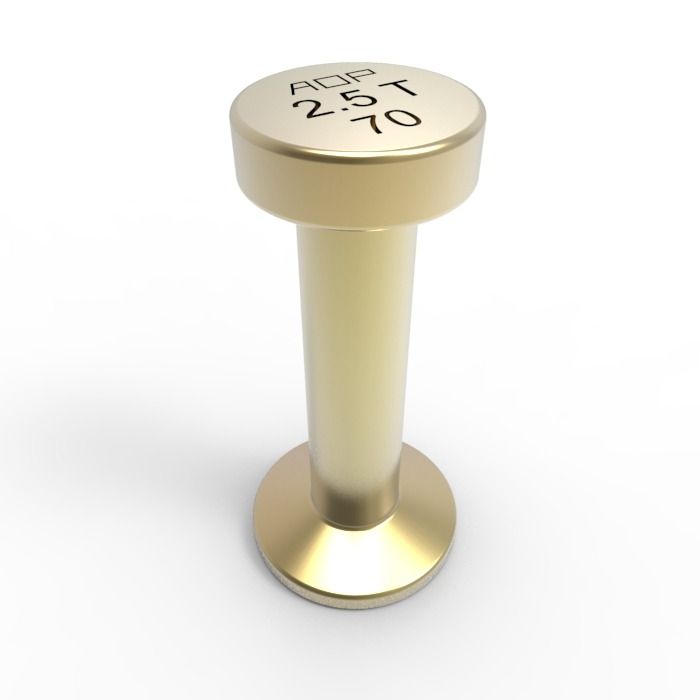
Spherical Head Anchor

Their facade design breaks the rigid form of traditional residential buildings and deeply integrates natural greenery with architectural texture.

While meeting functional requirements, it creates an urban architectural interface that combines ecology, art, and modernity, becoming an important innovative direction in the field of human settlement design.

.

Tags:

Leave a Reply

Your email address will not be published. Required fields are marked *

Related Post

CA recommendation | Chongqing East Railway Station/Tongji University Architectural Design and Research Institute (Group) Co., LtdCA recommendation | Chongqing East Railway Station/Tongji University Architectural Design and Research Institute (Group) Co., Ltd

The Chongqing East Railway Station Comprehensive Transportation Hub Project is located in the tea garden area on the south bank of Chongqing City. The hub is backed by Qiaoping Mountain,

Why did ancient people have no summer heat? Research and Implementation Practice of Chinese Ancient Architecture Design in Low CarbonWhy did ancient people have no summer heat? Research and Implementation Practice of Chinese Ancient Architecture Design in Low Carbon

The summer heat island effect in contemporary high-density cities continues to intensify, and the energy consumption of building machinery cooling remains high. Artificial temperature control, while alleviating high temperatures, has